Electrical safety is a critical requirement in industrial facilities, power plants, substations, and electrical distribution environments. Providing workers with appropriate electrical protection is essential to reducing the risks associated with electrical hazards.
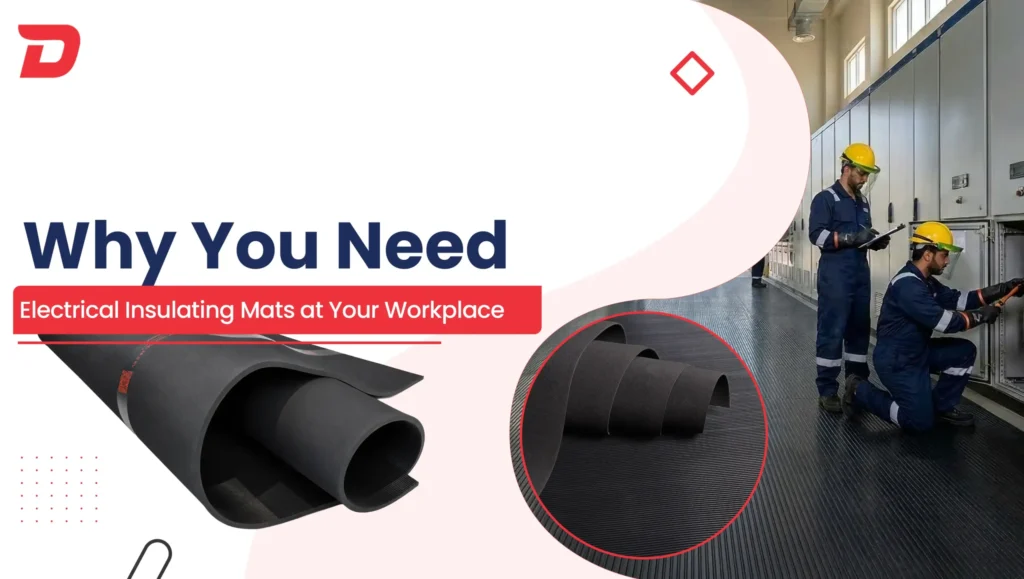
Electrical insulating rubber mats are an important part of electrical safety equipment, providing an insulating surface for personnel working near electrical panels, switchgear, transformers, and other electrical installations.
For companies looking for high-quality rubber mats in Egypt, understanding the different voltage classes, international standards, and application requirements is essential to selecting the right product.
What Are Electrical Insulating Rubber Mats?
Electrical insulating rubber mats, also known as dielectric mats or electrical safety mats, are manufactured from flexible insulating materials designed to provide an additional layer of protection against electrical hazards.
They are installed on floors in front of electrical equipment and in designated electrical working areas, helping reduce the risk of electrical current passing through the worker to the ground.
Unlike ordinary rubber flooring, electrical insulating mats are specifically designed, tested, and classified according to their electrical insulation capabilities.
They are commonly used in:
- Electrical substations and transformer rooms.
- Low, medium, and high-voltage switchgear rooms.
- Industrial control panels and distribution boards.
- Power generation and distribution facilities.
- Oil and gas installations.
- Manufacturing plants and industrial facilities.
- Electrical maintenance workshops.
IEC 61111 Standard for Electrical Insulating Mats
When purchasing electrical insulating rubber mats, compliance with recognized international standards should be one of the main considerations.
IEC 61111 – Live Working: Electrical Insulating Matting is the international standard specifically addressing electrical insulating mats.
The standard establishes electrical classifications, maximum use voltages, physical requirements, and testing provisions to help ensure that insulating matting is suitable for its intended application.
The latest edition, IEC 61111:2026, includes five electrical classes, ranging from Class 0 to Class 4.
Electrical Insulating Mat Classes and Voltage Ratings
The appropriate class depends on the electrical installation and its operating voltage.
For matting designated for AC/DC applications, the maximum use voltages are:
| Class | Maximum AC Use Voltage | Maximum DC Use Voltage |
|---|---|---|
| Class 0 | 1,000 V | 1,500 V |
| Class 1 | 7,500 V | 11,250 V |
| Class 2 | 17,000 V | 25,500 V |
| Class 3 | 26,500 V | 39,750 V |
| Class 4 | 36,000 V | 54,000 V |
These ratings are maximum use voltages, not proof-test voltages. The ratings applicable to AC-only mats may differ, so the product marking and manufacturer’s technical documentation must always be checked.
Selecting the correct class should be based on the installation voltage, the manufacturer’s specifications, and a proper electrical risk assessment.
How to Choose the Right Rubber Mat for Your Facility
Choosing the right electrical insulating mat involves more than simply selecting a thickness or size. Several technical factors should be considered before placing an order.
1. Electrical Voltage Class
The voltage classification is the most important factor. Ensure that the selected mat is appropriate for the electrical system where it will be installed.
For example, Class 1 and Class 2 mats are used in different electrical applications depending on the required protection level.
2. International Standard Compliance
Look for electrical insulating mats manufactured and tested in accordance with IEC 61111.
Request the relevant technical datasheet, test documentation, product markings, and manufacturer’s instructions.
3. Dimensions and Coverage Area
Electrical insulating mats are available in different widths, lengths, and configurations.
Depending on the installation, they may be supplied as individual mats or in rolls that can be cut to the required length.
Proper coverage of the designated working area is important.
4. Surface Design and Durability
The mat should provide suitable slip resistance on both sides, with surface patterns such as corrugated or diamond designs.
Material quality and resistance to the environmental conditions of the installation should also be considered.
5. Testing and Inspection
Electrical insulating mats should be visually inspected before use. Any cracks, cuts, punctures, blisters, or signs of electrical tracking may compromise their insulating properties.
Follow the manufacturer’s instructions for periodic inspection, electrical testing, cleaning, and storage.
Why Are Electrical Rubber Mats Important in Industrial Facilities?
Electrical insulating mats contribute to workplace electrical safety by providing an additional insulating barrier between personnel and the floor.
Their use is particularly important in areas where electrical maintenance, inspection, and switching operations are routinely performed.
For industrial facilities, investing in suitable electrical safety equipment can help support HSE requirements, improve working conditions, and reduce exposure to electrical hazards.
However, insulating mats should never be considered a replacement for proper electrical isolation, lockout/tagout procedures, insulated gloves, or other required protective equipment.
Rubber Mats in Egypt – Supply and Industrial Applications
Industrial companies in Egypt require reliable electrical safety equipment for their power distribution systems, production facilities, maintenance operations, and electrical infrastructure.
When sourcing rubber mats in Egypt, companies should prioritize internationally recognized standards, verified technical specifications, and suitability for the intended application rather than selecting products based on price alone.
SafeU Solutions provides industrial safety equipment and electrical protection solutions for a wide range of industrial applications.
We support businesses in identifying suitable electrical safety products, including electrical insulating rubber mats in different voltage classes, according to their project requirements.
Whether you need insulating mats for electrical panels, substations, transformer rooms, or industrial maintenance facilities, selecting the appropriate specification is an essential step toward maintaining a safer working environment.
Frequently Asked Questions
What is the difference between ordinary rubber mats and electrical insulating mats?
Ordinary rubber mats are mainly designed for flooring, comfort, or general industrial use. Electrical insulating mats are specifically manufactured and tested for electrical insulation according to applicable standards such as IEC 61111.
Which IEC 61111 class should I choose?
The correct class depends on the operating voltage, the electrical installation, and the applicable risk assessment. Consult a qualified electrical safety professional and verify the manufacturer’s documentation before selecting a mat.
Are electrical insulating mats available in rolls?
Yes. Electrical insulating matting can be supplied in rolls and cut to the dimensions required for specific installations, subject to the manufacturer’s specifications.
Where should electrical insulating mats be installed?
They are commonly installed in front of electrical switchboards, distribution panels, transformers, and other designated electrical working areas.
Contact SafeU Solutions for Electrical Safety Equipment in Egypt
Looking for reliable electrical insulating rubber mats in Egypt?
SafeU Solutions supports industrial companies with electrical safety equipment and PPE solutions designed to meet demanding workplace requirements.
Contact our team to discuss your required voltage class, dimensions, quantities, and technical specifications.
SafeU Solutions – Your Industrial Safety Equipment Partner.