Gas detection is an essential part of occupational health and safety in industrial environments. Exposure to toxic gases, oxygen deficiency, and combustible gas concentrations can create serious risks for workers, equipment, and industrial facilities.
For industries operating in potentially hazardous environments, reliable gas monitoring equipment is essential to identify dangerous atmospheric conditions and support safe working practices.
Honeywell portable gas detectors are widely used in industrial applications to monitor hazardous gases, protect workers, and provide early warning of potentially dangerous atmospheric conditions.
In this article, we explore the different types of Honeywell portable gas detectors, their applications, key features, and how to select the right gas detection equipment for your workplace.
What Are Portable Gas Detectors?
Portable gas detectors are compact electronic instruments designed to detect and monitor the concentration of specific gases in the surrounding atmosphere.
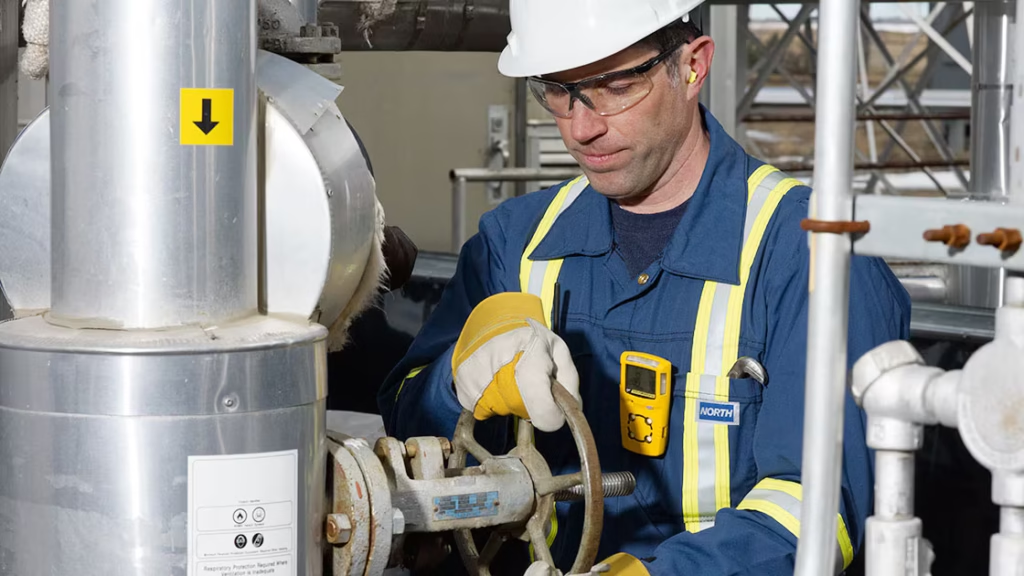
Unlike fixed gas detection systems, portable detectors can be carried or worn by individual workers, allowing continuous or on-demand monitoring while performing their duties.
Depending on the model and sensor configuration, portable gas detectors can monitor several types of gas hazards, including:
- Hydrogen Sulfide (H2S)
- Carbon Monoxide (CO)
- Oxygen (O2)
- Combustible gases (%LEL)
- Sulfur Dioxide (SO2)
- Volatile Organic Compounds (VOCs)
- Ammonia (NH3)
- Chlorine (Cl2)
Different detectors support different gas combinations. Selecting the correct sensor configuration is essential to ensure that the instrument can detect the specific hazards present in the working environment.
Honeywell BW Portable Gas Detectors
Honeywell offers a comprehensive range of portable gas detection solutions under its Honeywell BW product portfolio.
These instruments are designed for different industrial requirements, from individual single-gas monitoring to advanced multi-gas detection and confined-space applications.
1. Honeywell BW Solo – Single Gas Detector
The Honeywell BW Solo is a compact, wearable single-gas detector designed to monitor individual gas hazards.
It is suitable for workers who require continuous monitoring of a specific gas, such as H2S, CO, oxygen, or other toxic gases.
Key features include:
- Detection of a wide selection of toxic and other hazardous gases, depending on sensor configuration.
- Compact and lightweight design.
- Audible, visual, and vibration alarms.
- Bluetooth Low Energy (BLE) connectivity on supported versions.
- Easy sensor and battery maintenance.
- Data logging and monitoring capabilities.
The BW Solo is commonly considered for industrial workers in oil and gas, petrochemical, manufacturing, and utility environments.
2. Honeywell GasAlertMicroClip XL – 4-Gas Detector
The Honeywell GasAlertMicroClip XL is a compact multi-gas detector designed to monitor up to four common atmospheric hazards simultaneously.
Its standard four-gas configuration monitors:
- Hydrogen Sulfide (H2S)
- Carbon Monoxide (CO)
- Oxygen (O2)
- Combustible gases (%LEL)
The device features audible, visual, and vibrating alarms to alert workers when gas concentrations reach configured alarm thresholds.
Its compact design and IP68-rated protection make it suitable for demanding industrial working environments, subject to the manufacturer’s operating specifications.
The GasAlertMicroClip XL is an option for facilities requiring portable four-gas monitoring for routine industrial operations and maintenance activities.
3. Honeywell BW Ultra – Portable Five-Gas Detector
The Honeywell BW Ultra is a portable multi-gas detector developed specifically for confined-space gas sampling and monitoring.
It features an integrated sampling pump, allowing workers to collect atmospheric samples from locations that may be difficult or unsafe to access directly.
Depending on the sensor configuration, the BW Ultra can monitor hazards such as:
- Oxygen (O2)
- Hydrogen Sulfide (H2S)
- Carbon Monoxide (CO)
- Combustible gases (%LEL)
- Volatile Organic Compounds (VOCs)
- Other toxic gases supported by the selected sensor configuration.
Key features include:
- Integrated sampling pump.
- Detection of up to five gas hazards, depending on configuration.
- Audible, visual, and vibration alarms.
- Large display for monitoring gas readings.
- Data logging and Bluetooth connectivity.
- Compatibility with Honeywell IntelliDoX instrument management systems.
The BW Ultra is particularly suitable for confined-space applications where atmospheric testing must be conducted before and during entry procedures.
4. Honeywell BW Flex – Configurable Multi-Gas Detector
The Honeywell BW Flex is a serviceable portable gas detection solution designed for flexible industrial monitoring requirements.
Its sensor configuration can be selected to address different gas hazards across various industrial applications.
Depending on the selected sensors, BW Flex can monitor gases including H2S, CO, O2, SO2, NO, NO2, HCN, and combustible gases.
Key features include:
- Configurable sensor options.
- Compact and lightweight design.
- Audible, visual, and vibrating alarms.
- Bluetooth connectivity.
- IP66/IP68-rated protection.
- Compatibility with Honeywell gas detection management software and applications.
The BW Flex can be considered for industrial facilities that require adaptable gas detection solutions and serviceable instrumentation.
Applications of Honeywell Portable Gas Detectors
Portable gas detectors are essential across several industrial sectors where workers may be exposed to hazardous gases or potentially oxygen-deficient atmospheres.
Common applications include:
Oil and Gas Industry
Monitoring H2S, combustible gases, and other hazardous atmospheres during drilling, production, maintenance, and inspection operations.
Petrochemical and Chemical Plants
Detecting toxic and combustible gases around processing equipment, storage tanks, pipelines, and production areas.
Confined Space Entry
Testing atmospheric conditions in tanks, vessels, pipelines, manholes, and other enclosed spaces before and during entry operations.
Marine and Offshore Facilities
Monitoring atmospheric hazards in engine rooms, cargo areas, enclosed compartments, and offshore installations.
Manufacturing and Industrial Facilities
Protecting workers during production, equipment maintenance, and operations involving potentially hazardous gases.
Wastewater Treatment and Utilities
Monitoring gases such as hydrogen sulfide and methane in treatment facilities, underground systems, and maintenance areas.
How to Choose the Right Honeywell Portable Gas Detector
Selecting a portable gas detector requires an understanding of the specific hazards and working conditions within your facility.
Before purchasing a gas detection instrument, consider the following factors:
1. Gas Detection Requirements
Identify the gases that may be present in the working environment. The selection of sensors should be based on a proper workplace risk assessment.
2. Single-Gas or Multi-Gas Detection
A single-gas detector is suitable when monitoring one specific hazard is sufficient.
Multi-gas detectors are more appropriate when workers may be exposed to several atmospheric hazards simultaneously.
3. Diffusion or Pumped Sampling
Diffusion detectors monitor the surrounding atmosphere through their sensors.
Pumped detectors draw gas samples through a sampling hose, making them suitable for remote atmospheric testing and confined-space applications.
4. Hazardous Area Certifications
For potentially explosive atmospheres, verify that the selected instrument carries the appropriate ATEX, IECEx, or other required hazardous-area approvals for the intended location.
5. Calibration and Maintenance
Gas detectors require proper maintenance, bump testing, and calibration in accordance with the manufacturer’s instructions and applicable workplace requirements.
Regular inspection and functional testing help ensure that the instrument remains capable of detecting gas hazards and activating its alarms.
Gas Detector Calibration and Bump Testing
Purchasing a portable gas detector is only one part of an effective gas detection program. Proper maintenance and testing are equally important.
Two essential procedures include:
Bump Testing
A bump test exposes the detector’s sensors to a known test gas concentration to confirm that the sensors respond and that the instrument’s alarms operate correctly.
Honeywell recommends bump testing the BW Flex sensors before each day’s use. Always follow the specific manufacturer’s instructions and workplace requirements for the selected model.
Calibration
Calibration verifies and adjusts the detector’s readings against known reference gas concentrations.
Calibration intervals depend on the instrument, sensor type, operating conditions, and manufacturer’s recommendations.
For facilities operating multiple portable gas detectors, compatible docking and instrument management systems can simplify routine testing, calibration, and record keeping.
Honeywell Portable Gas Detectors in Egypt
Industrial facilities in Egypt require dependable gas detection equipment to support safe operations and protect personnel working in potentially hazardous environments.
From oil and gas installations to petrochemical plants, marine facilities, and manufacturing sites, selecting the appropriate portable gas detector is a critical part of an effective HSE program.
When sourcing Honeywell portable gas detectors in Egypt, industrial buyers should consider the following:
- Original equipment and verified product specifications.
- Suitable gas sensor configurations.
- Appropriate hazardous-area certifications.
- Calibration and maintenance requirements.
- Technical documentation and product availability.
- After-sales support and servicing options.
Choosing the right instrument depends on your specific application, gas hazards, and operational requirements.
Why Choose SafeU Solutions for Gas Detection Equipment?
SafeU Solutions provides industrial safety equipment and occupational protection solutions for businesses across Egypt.
We support industrial customers in identifying suitable gas detection equipment for their operational requirements, including portable gas detectors, multi-gas monitors, and related gas detection accessories.
Our approach focuses on providing appropriate technical solutions for industrial applications, helping customers select equipment based on gas detection requirements, operating environments, and relevant safety standards.
Whether you require portable gas detectors for oil and gas operations, confined-space entry, or general industrial monitoring, our team can assist with identifying the appropriate specifications.
Request a Quotation for Honeywell Portable Gas Detectors
Looking for Honeywell portable gas detectors in Egypt?
Contact SafeU Solutions to discuss your gas detection requirements, including the required model, target gases, sensor configuration, quantity, and technical specifications.
Our team is ready to assist with your industrial gas detection requirements.
SafeU Solutions – Your Industrial Safety Equipment Partner.